Best Guided Meditations for Sleep: 5 Styles That Work
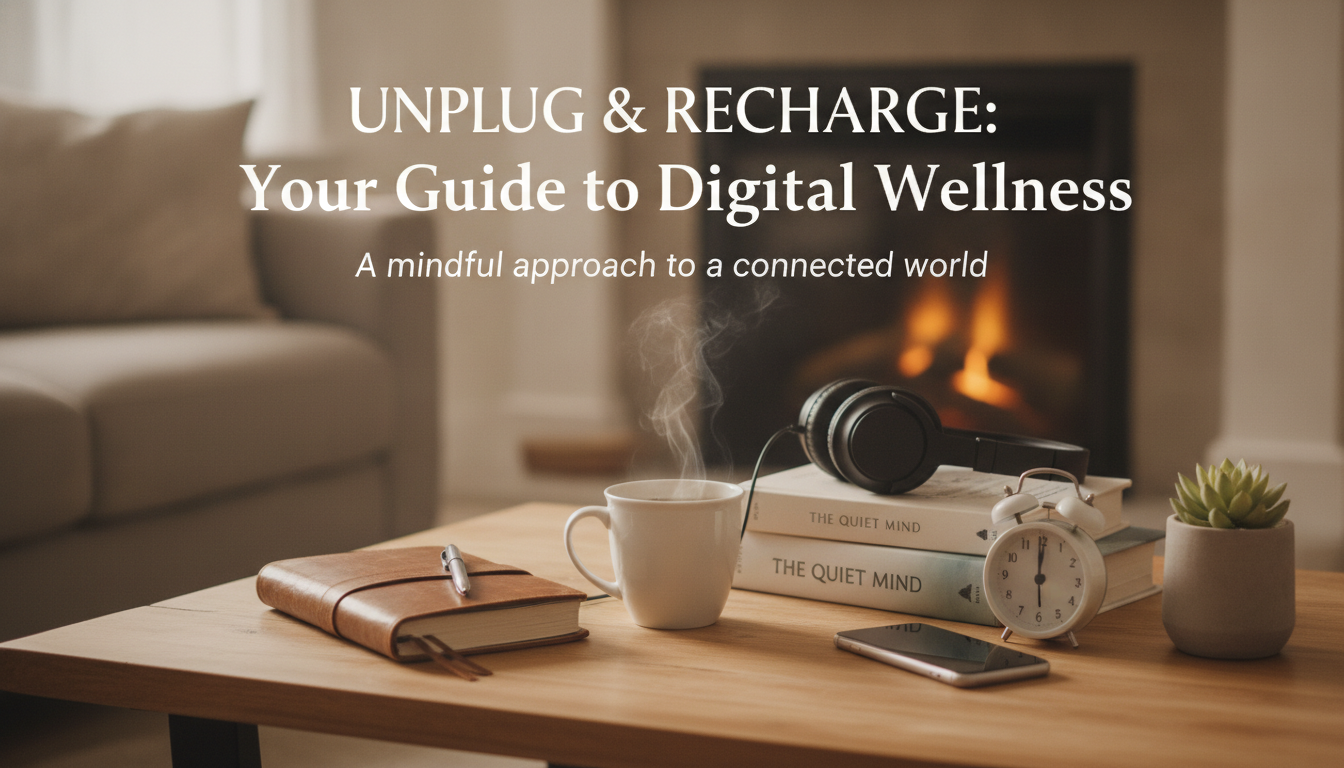
What are the best guided meditations for sleep?
The best guided meditations for sleep are the ones that reliably lower mental “volume,” relax the body, and keep you from re-engaging with thoughts when you’re tired. Instead of chasing the perfect voice or track, look for a style that matches what keeps you awake—racing thoughts, physical tension, anxiety, or inconsistent sleep timing.
1) Body scan meditations
A body scan gently moves attention from head to toe (or toe to head), relaxing each area as you notice sensations. This is ideal if you’re physically restless, clenching your jaw, or holding tension in your shoulders and hips. The best versions use slow pacing and simple cues like “soften,” “release,” and “let go.”
2) Progressive muscle relaxation (PMR)
PMR alternates between lightly tensing and relaxing muscle groups. It’s especially helpful when your body feels wired even if your mind is tired. If you’re prone to cramps, choose a “gentle” PMR that emphasizes minimal effort.
3) Yoga Nidra / NSDR-style sessions
Yoga Nidra (often similar to NSDR) guides you into a deeply restful, semi-awake state using breath cues, body awareness, and imagery. These sessions are great for stress-related insomnia because they downshift the nervous system without requiring intense concentration.
4) Breath-focused counting meditations
Breath counting (like counting down with exhales) works well for looping thoughts because it gives your mind a single, boring task. Choose recordings that keep the instructions sparse—too much talking can be stimulating.
5) Sleep stories and calming imagery
If silence makes your mind wander, sleep stories or visual journeys can occupy attention just enough to prevent rumination. Look for a steady pace, low stakes plots, and consistent background sound (rain, fan-like noise, or soft ambience).
For more options and tips on choosing the right track for your sleep style, visit https://acebuysoutlet.shop/what-are-the-best-guided-meditations-for-sleep/.
FAQ
How long should a sleep meditation be?
Most people do well with 10–30 minutes. If you’re very alert at bedtime, start with 20 minutes; if you’re already sleepy, a 5–10 minute wind-down is often enough.










Leave a comment